
Meditation, Prayer, and Sleep: The Triad of Holistic Wellness
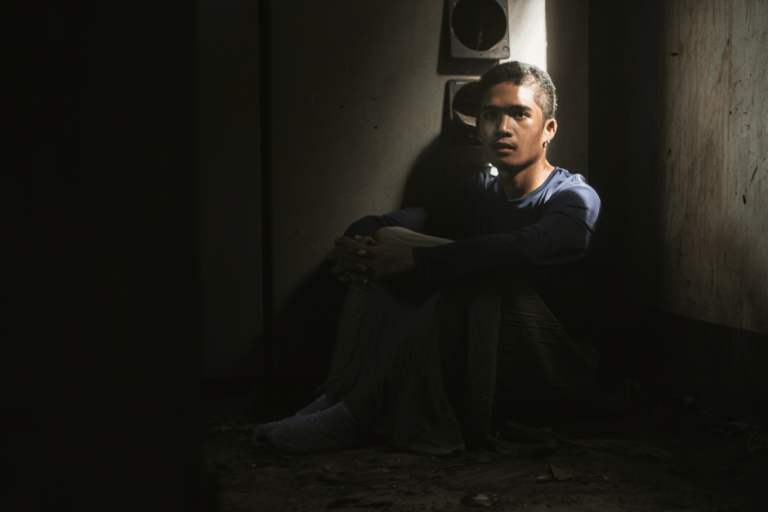
Wellness is not a prize you win once and frame on the wall. It is the daily, deliberate practice of choosing habits that move you toward a fuller, more integrated life. The Global Wellness Institute defines it as “the active pursuit of activities, choices and lifestyles that lead to a state of holistic health.” That word “active” matters. Wellness is not something that happens to you while you scroll your phone in bed. It is built, night after night, through practices that reconnect mind, body, and spirit. Three of the most powerful yet underutilized pillars of this pursuit are meditation, prayer, and sleep. Together, they form a self-reinforcing cycle that costs nothing, requires no special equipment, and can begin tonight.
Table of Contents
- What Wellness Really Means in 2026
- Meditation as a Wellness Practice for Mind and Body
- Prayer as a Spiritual Wellness Anchor
- Sleep as the Foundation of All Wellness
- Creating Your Evening Wellness Ritual
- Common Barriers and How to Overcome Them
- The Bigger Picture: Wellness as a Lifelong Practice
What Wellness Really Means in 2026
Wellness in 2026 has outgrown the glossy magazines and expensive juice cleanses. It is increasingly understood as an active, self-directed process rather than a passive state of being. The distinction matters. Health is often framed as the absence of disease, a reactive measure. Well-being describes how you feel subjectively. Wellness is the practice that produces both: the intentional, repeated choices that build resilience across every dimension of your life.
The multidimensional model of wellness, first formalized by Bill Hettler in the 1970s, identifies six core areas: physical, mental, emotional, spiritual, social, and occupational. Later frameworks expanded this to include environmental, financial, and digital wellness. What remains constant is the recognition that neglecting one dimension weakens the whole structure. You cannot out-exercise chronic sleep deprivation. You cannot budget your way into emotional peace. The dimensions are interconnected, and the practices of meditation, prayer, and sleep touch nearly all of them simultaneously.
Halbert L. Dunn first popularized the term “high-level wellness” in the 1950s, describing it as “an integrated method of functioning, which is oriented toward maximizing the potential of which the individual is capable.” That vision has aged well. In 2026, as the global wellness economy continues its expansion, a quiet counter-movement is gaining ground: a return to low-cost, sustainable, daily practices that do not require a subscription. Americans are rediscovering that the most effective wellness tools are the ones already available in the quiet of their own rooms.
Meditation as a Wellness Practice for Mind and Body
The Science of Stillness
Meditation is not escapism. It is a targeted training of attention that produces measurable changes in the brain and body. Peer-reviewed research consistently shows that regular meditation reduces cortisol levels, improves emotional regulation, and enhances neuroplasticity, the brain’s ability to reorganize itself in response to experience. These are not mystical claims. They are physiological realities documented in clinical settings.
Even ten minutes of daily mindfulness meditation shifts stress markers and improves sleep quality. The key distinction is that meditation is an active wellness pursuit. Unlike passive relaxation, such as watching television or scrolling social media, meditation requires intention and repetition. You are deliberately engaging your attention, noticing when it wanders, and guiding it back. That act of returning is where the benefit lives. Each return is a rep, and each rep strengthens the neural circuitry of focus and calm.
Practical Meditation for Beginners
The simplest entry point is breath-focused meditation. Sit comfortably, close your eyes, and inhale through your nose for four counts. Hold for four counts. Exhale through your mouth for six counts. Repeat for five minutes. The extended exhale activates the parasympathetic nervous system, signaling safety to the body. If five minutes feels long, start with three. Consistency beats duration every time.
Body scan meditation works especially well in the evening. Lie down and bring your attention slowly from the crown of your head to the soles of your feet, noticing areas of tension without trying to change them. Shoulders, jaw, and lower back tend to hold the day’s stress. Simply observing these sensations often releases them. Guided meditations on free platforms remove any cost barrier, making this wellness practice accessible to anyone with a phone and a quiet corner.
Connecting Meditation to Sleep
Evening meditation serves as a biological signal. It tells the nervous system to shift from sympathetic dominance, the fight-or-flight state, to parasympathetic dominance, the rest-and-digest mode where healing occurs. This transition is essential for sleep onset. A 2025 study found that 78 percent of participants with chronic insomnia improved their sleep onset latency after four weeks of nightly meditation practice.
The “racing mind” phenomenon, where thoughts spiral as soon as the lights go out, is one of the most common barriers to restorative sleep. Meditation directly addresses this by training the skill of observing thoughts without attaching to them. You learn to notice the worry without becoming the worry. Over time, this skill transfers from the meditation cushion to the pillow, and sleep arrives more easily.
Prayer as a Spiritual Wellness Anchor
Beyond Religion: Prayer as Intentional Reflection
Prayer, whether directed to God, the universe, or one’s own highest self, engages the same neural pathways associated with gratitude, hope, and emotional regulation. Neuroimaging studies show that prayer and meditation activate overlapping brain regions, particularly those involved in attention, empathy, and self-awareness. The Wellness Alliance identifies “Meaning” and “Spiritual” as core human needs within its workplace framework. Prayer addresses both directly.
What makes prayer a wellness practice is its conscious, self-directed nature. It is not a passive wish cast into the void. It is an intentional act of reflection, gratitude, and surrender. You are choosing to orient your mind toward something larger than your immediate circumstances. That reorientation has psychological and physiological effects, lowering blood pressure, reducing anxiety, and improving emotional resilience.
Forms of Prayer for Daily Wellness
Gratitude prayer is the simplest and most research-backed form. Each evening, name three specific things you are thankful for. Specificity matters. Instead of “family,” say “the way my daughter laughed at breakfast.” This trains the brain to scan the environment for good rather than threat, a skill that compounds over time.
Petitionary prayer involves offering worries or requests and then releasing them. The release is the active ingredient. Rather than ruminating on a problem, you hand it over and close the mental file for the night. Contemplative prayer takes a different approach: silent openness, a receptive waiting without agenda. It resembles meditation but is framed as communion rather than observation.
For those within the Christian tradition, familiar structures provide ready-made wellness tools. The Lord’s Prayer, prayed slowly and with attention to each phrase, becomes a meditative practice. The Psalms offer language for every emotional state. Breath prayers, short phrases tied to inhale and exhale such as “Jesus, grant me peace,” combine the physiological benefits of deep breathing with the spiritual benefits of focused prayer.
Prayer and Sleep: The Evening Ritual
Prayer before sleep creates a psychological boundary between the day that is ending and the night that is beginning. Unfinished tasks and unresolved conflicts lose some of their grip when you consciously place them in God’s hands. This act of surrender reduces pre-sleep cognitive arousal, the state of mental activation that keeps you staring at the ceiling.
The prayer-breath technique pairs a short prayer phrase with slow breathing. Inhale: “Lord, I release.” Exhale: “This day to You.” Repeat for several minutes. The combination of rhythmic breathing and intentional surrender doubles the relaxation benefit, preparing both body and mind for sleep.
Sleep as the Foundation of All Wellness
Why Sleep Is Non-Negotiable for Holistic Health
Sleep is not a luxury or a sign of laziness. It is the body’s most essential maintenance process. During deep sleep, the brain clears metabolic waste products, including beta-amyloid proteins linked to Alzheimer’s disease. Memory consolidation occurs during REM sleep, and emotional processing happens across multiple sleep stages. When you shortchange sleep, you shortchange every other wellness dimension.
Physical wellness suffers: immune function drops, hormone balance shifts toward cortisol production and away from growth hormone release. Mental wellness erodes: focus narrows, mood destabilizes, and decision-making degrades. Emotional wellness crumbles: irritability rises and the capacity for empathy shrinks. Spiritual wellness fades: the energy required for reflection and prayer is simply not available. The CDC reports that one in three US adults does not get sufficient sleep. That makes sleep the most accessible yet most neglected wellness intervention available.
Building a Sleep Routine That Supports Wellness
The foundation of good sleep is consistency. Going to bed and waking at the same time every day, including weekends, anchors your circadian rhythm. This internal clock regulates hormone release, body temperature, and metabolism. When it is stable, sleep comes more easily and runs deeper.
Environmental factors matter enormously. Blue light from screens suppresses melatonin production by up to 50 percent. A screen-free hour before bed is not a suggestion; it is a biological necessity. Keep the bedroom cool, between 65 and 68 degrees Fahrenheit, and as dark as possible. White noise or complete silence, whichever you prefer, protects against disruptive sounds. Avoid caffeine after 2 PM and alcohol within three hours of bedtime. Both fragment sleep architecture, robbing you of the deep, restorative stages your body needs.
The Meditation-Prayer-Sleep Loop
The three practices do not merely coexist. They amplify each other. Meditation before prayer quiets the mental chatter, creating space for a deeper spiritual connection. Prayer after meditation channels that calm stillness into gratitude and surrender, orienting the heart toward trust rather than anxiety. This combined practice, totaling fifteen to twenty minutes, prepares the body and mind for restorative sleep.
Then sleep does its work, restoring the physical and mental resources needed for the next day. That restoration improves your capacity for meditation and prayer the following evening. The loop reinforces itself. Each good night makes the next night’s practice easier. Each practice makes the next night’s sleep deeper. This is not a one-time intervention. It is a self-sustaining wellness cycle that grows stronger with repetition.
Creating Your Evening Wellness Ritual
A Step-by-Step 30-Minute Practice
The ritual begins with ten minutes of meditation in a quiet, dimly lit space. Choose breath focus or a body scan, whichever feels more accessible that evening. The goal is not perfect stillness but consistent attention.
Spend the next five minutes in transition. Gentle stretching releases physical tension. A cup of herbal tea, chamomile or lavender, signals the body that the day is closing. This buffer period prevents the jarring shift from meditation directly into sleep preparation.
Devote the following five minutes to prayer or intentional reflection. Speak aloud or write in a journal, focusing on gratitude and release. Name what you are thankful for. Name what you are releasing. Close the mental file on the day.
The final ten minutes are for practical sleep preparation: hygiene routine, dimming lights, climbing into bed. No screens. No last-minute email checks. The boundary is firm.
Adapting the Ritual for Different Lifestyles
Parents of young children can shorten the ritual to fifteen minutes after the kids are asleep, combining meditation and prayer into a single practice. Shift workers should adapt the timing to align with their personal sleep window rather than societal norms. The ritual works whenever your “night” begins.
For those new to either prayer or meditation, start with five minutes of one practice. Add the second after two weeks. The goal is sustainability, not perfection. A five-minute practice you do every night beats a thirty-minute practice you abandon after three days.
Tracking Your Wellness Progress
A simple journal entry each morning provides feedback. Rate three things on a scale of one to ten: sleep quality, meditation depth, and prayer satisfaction. Over time, patterns emerge. You may notice that nights with higher prayer satisfaction scores precede nights with higher sleep scores. You may discover that meditation feels more natural after a day with less screen time. Adjust accordingly. If seated meditation feels forced, try a walking prayer. If gratitude prayer feels rote, switch to contemplative silence. The ritual serves you, not the other way around.
Common Barriers and How to Overcome Them
The most common objection is time. “I don’t have thirty minutes.” Start with five. Total. Five minutes of combined meditation and prayer before bed. Consistency matters more than duration, and five minutes done well is infinitely more valuable than thirty minutes never attempted.
The second barrier is the racing mind. “I can’t stop thinking.” That is normal. The goal of meditation is not a blank mind. It is noticing when the mind wanders and returning it to the breath. Label the thoughts: “planning,” “worrying,” “remembering.” Then return. Progress is measured in return trips, not in stillness.
For those who feel they do not know how to pray, use written prayers, apps, or simply speak honestly as if talking to a trusted friend. There is no performance required. Authenticity is the only prerequisite.
If you have tried meditation and given up, try a different style. Guided versus silent. Walking versus seated. Morning versus evening. The practice that works is the one you will actually do.
If sleep remains impossible despite consistent effort, consult a sleep specialist. The ritual supports healthy sleep but does not replace medical intervention for conditions like sleep apnea, restless leg syndrome, or chronic insomnia disorder.
The Bigger Picture: Wellness as a Lifelong Practice
The Wellness Alliance defines wellness as “a conscious, self-directed, and evolving process of achieving one’s full potential.” Evolving is the operative word. There is no finish line. There is no point at which you have completed wellness and can coast. It is a lifelong practice, and that is good news. It means every night offers a fresh start.
Meditation, prayer, and sleep are three practices accessible to nearly everyone regardless of income, geography, or background. They require no special equipment, no membership fees, and no advanced training. They require only willingness and consistency. In 2026, as the wellness industry continues to commercialize every aspect of self-care, returning to these foundational practices is an act of resistance. It centers wellness on what is freely available: breath, faith, and rest.
The cultural and socioeconomic factors that shape wellness are real. Access to safe housing, clean air, stable income, and healthcare all influence a person’s capacity for wellness. These systemic factors deserve attention and action. But within the circumstances you inhabit right now, these three practices are available. They are not a substitute for justice or medical care. They are a starting point, a foundation, a way to reclaim agency over your own well-being one evening at a time.
Start tonight. Not perfectly. Just start.